Understand your business beyond individual systems.
Information is only valuable when it helps people understand what’s happening and decide what to do next.
Yet in many organisations, important data is separated across platforms, departments and processes.
We help businesses connect their systems, strengthen information flow and develop tools that provide clearer operational visibility.

Your business knows more than your reports are telling you.
A payment system knows what was paid.
A customer platform knows who registered.
An operational system knows what work was completed.
A support platform knows what problems customers experienced.
But when this information remains disconnected, understanding the full business picture becomes difficult.
We help bring the relevant pieces together.
Make information work harder for your business.
Systems Integration
Connect supported applications, data sources and workflows to improve the movement of information across your business.
Management Dashboards
Bring relevant operational and performance indicators into accessible, meaningful views.
Business Reporting
Create more consistent reporting around activity, transactions, performance and business priorities.
Workflow Automation
Reduce unnecessary manual steps and improve the consistency of recurring processes.
Operational Accountability
Help teams track responsibilities, exceptions and outstanding actions.
Applied AI & Intelligent Workflows
Explore appropriate AI-powered tools for tasks such as document processing, information analysis, customer assistance and process support.
Knowing what happened is good. Understanding why is better.
A business may record hundreds of transactions and activities every day. But can management confidently explain the results?
Can it establish the difference between what was expected and what actually happened? Can it identify exceptions, understand responsibility and determine what needs attention?
Our approach is to connect information to business questions, rather than collecting information without a clear purpose.
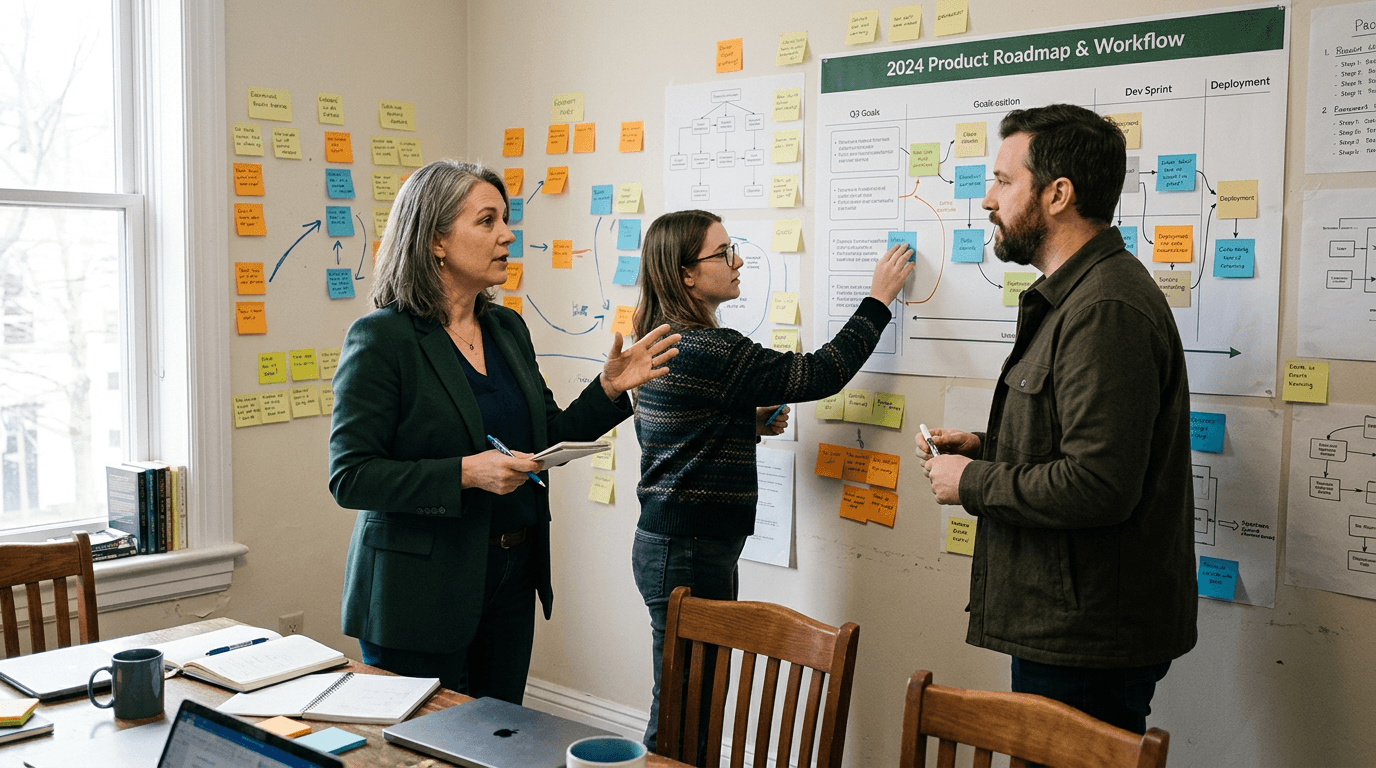
Better intelligence begins with trustworthy information.
Automation and AI can make business processes more efficient, but they must operate within reliable systems and clear responsibilities.
We consider data quality, access, validation and appropriate human oversight when developing intelligent workflows.
Our objective is practical business improvement—not automation for its own sake.